Genetische code betekenis biologie
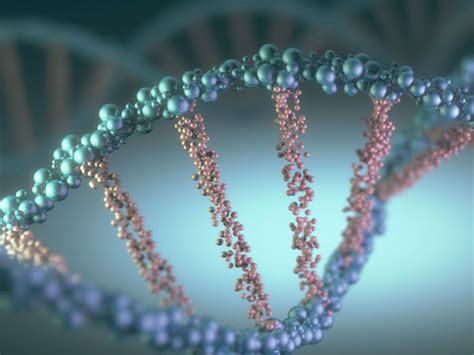
De genetische code werd ontrafeld in de jaren , enkele jaren na de ontdekking van de DNA-helix. Het verklaart hoe de vierletterige code van het DNA vertaald kan worden naar de twintig verschillende aminozuren, de bouwstenen van eiwitten. Op enkele uitzonderingen na is de genetische code universeel geldig bij alle vormen van leven. Het DNA lijkt zo op het eerste gezicht misschien een willekeurige aaneenschakeling van A’s, C’s, G’s en T’s, maar de volgorde van deze letters is erg belangrijk. De volgorde van de letters is namelijk bepalend voor de genetische code en bepaalt of er een goed eiwit wordt aangemaakt. Genetische code betekenis biologie Het DNA van de mens bestaat uit ongeveer 3 miljard basenparen. Deze 3 miljard basenparen coderen voor ongeveer erfelijke eigenschappen. De genetische code is geschreven in de vier letters: G, C, A en T. Via m-RNA wordt in het cytoplasma van de cel deze genetische code vertaald naar de eiwitten waar we uit zijn opgebouwd.

Erfelijkheid ERFELIJKHEID - English translation of ERFELIJKHEID from Dutch from the Dutch-English Dictionary - Cambridge Dictionary.

DNA
DNA is a polymer of nucleotides that forms a double helix and carries genetic information for all living organisms and many viruses. Learn about the chemical structure, biological functions, interactions, evolution and uses of DNA in this comprehensive article. DNA is an organic chemical of complex molecular structure found in all prokaryotic and eukaryotic cells. It codes genetic information for the transmission of inherited traits. The structure of DNA was described in , leading to further understanding of DNA replication and hereditary control of cellular activities. DNA Deoxyribonucleic acid (DNA) is a molecule that contains the biological instructions that make each species unique. DNA, along with the instructions it contains, is passed from adult organisms to their offspring during reproduction. Where is DNA found? In organisms called eukaryotes, DNA is found inside a special area of the cell called the nucleus.Erfelijkheid
Erfelijkheid is de overdracht van genetisch bepaalde eigenschappen van één generatie naar de volgende. Lees meer over de fylogenie, de erfelijkheidsleer, de geneeskunde, de psychologie en de wiskunde van erfelijkheid. Erfelijkheid gaat over iedereen. Ook over jou. Het Erfocentrum geeft betrouwbare, onafhankelijke informatie over erfelijkheid en gezondheid.RNA
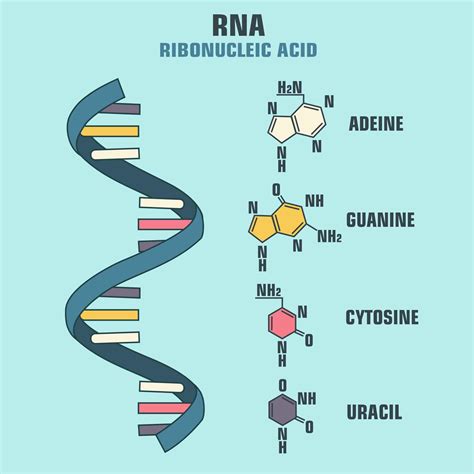
RNA is a polymeric molecule that is essential for most biological functions, either by performing the function itself (non-coding RNA) or by forming a template for the production of proteins (messenger RNA). Learn about the chemical structure, secondary and tertiary structures, and biological roles of RNA molecules, as well as their evolutionary and historical significance. RNA is a complex compound of high molecular weight that functions in cellular protein synthesis and replaces DNA as a carrier of genetic codes in some viruses. Learn about the structure, types, and functions of RNA, as well as its roles in diseases and biochemical reactions.- RNA Learn the definition, structure and functions of RNA, a nucleic acid present in all living cells. Find out how different types of RNA, such as mRNA, rRNA and tRNA, are involved in gene expression and protein synthesis.
Eiwitsynthese
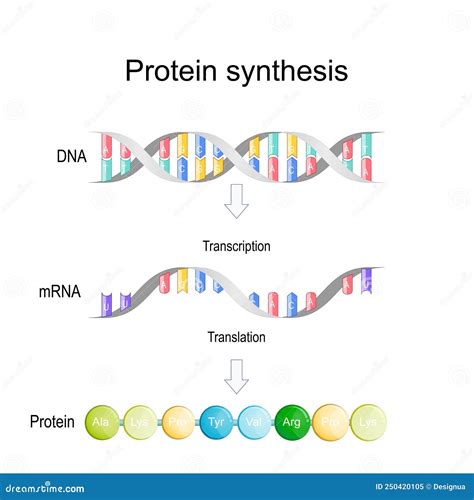
Leer hoe eiwitten worden gemaakt op basis van de informatie in het DNA. Ontdek de stappen van transcriptie en translatie, de bouwstenen van DNA en RNA, en de rol van enzymen en regels. Eiwitsynthese is het aanmaken van eiwitten, zoals keratine of hemoglobine, uit aminozuren in de cellen van organismen. Het proces bestaat uit twee stappen: transcriptie, waarbij DNA wordt gekopieerd naar mRNA, en translatie, waarbij mRNA de codons van het DNA vertelt aan ribosomen.- Eiwitsynthese - tRNA (transfer-RNA, gebruikt als hulp bij de eiwitsynthese). • Transcriptie produceert RNA dat complementair is aan één DNA-streng. • DNA wordt door middel van het enzym polymerase overschreven. • DNA bevat sequenties die aangeven waar polymerase moet starten en stoppen.